Author: Tim Kruse

Sustainability & Commitment
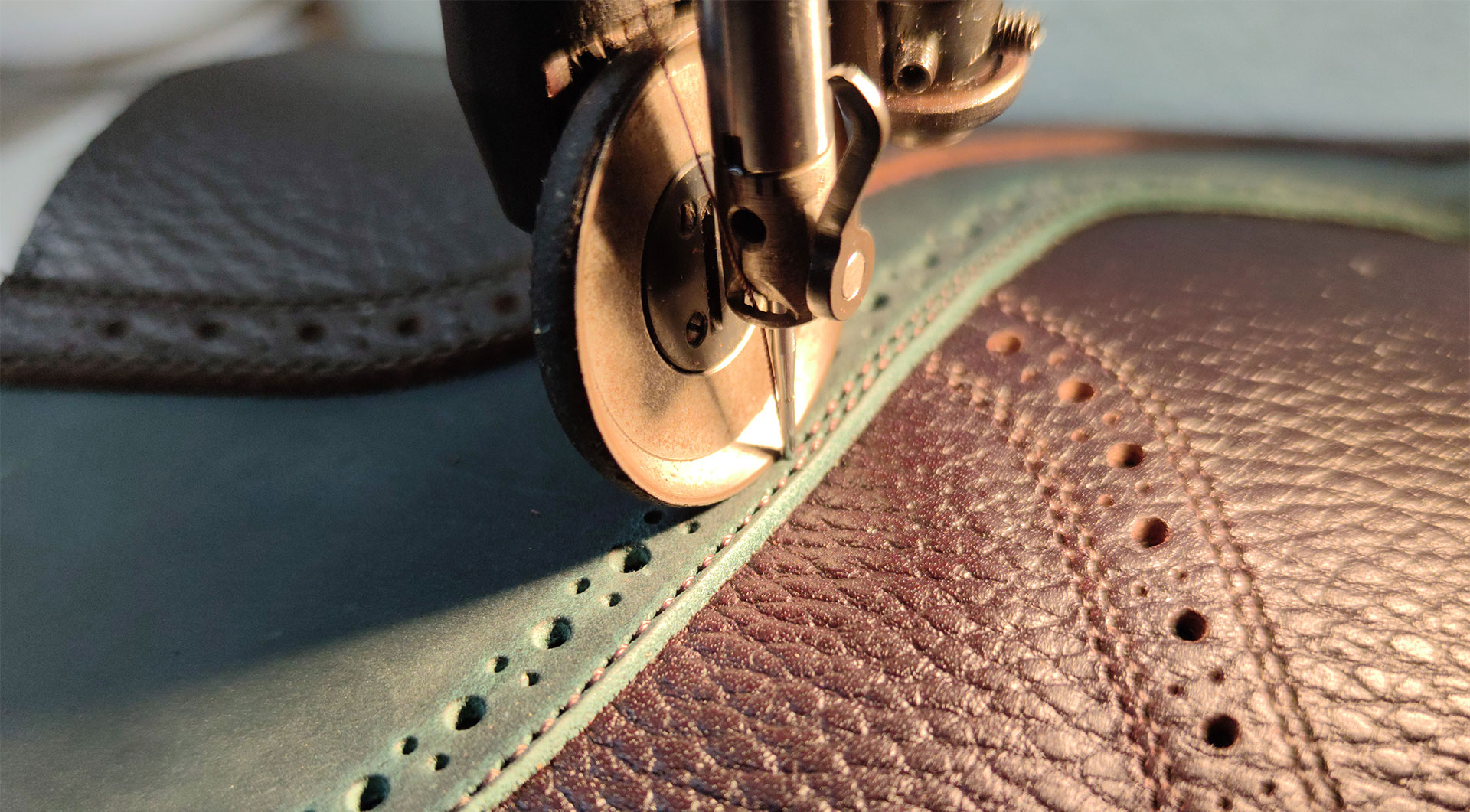
“We are responsible for what we do, but also for what we do not do.”

Jean-Baptiste Molière
We manufacture our uppers exclusively from high-quality materials that are chosen not only for comfort but also for durability. Environmental compatibility and sustainable production are important to us, because a handmade shoe is more than the sum of its parts.

Resources

Wherever possible, we only use leather from European raw materials, tanned in European tanneries. This enables us to guarantee the highest quality and ensure that production takes place without social or environmental abuse. We do not use leather from the skins of CITES-protected animal species or sharks – even if these are provided by the client.

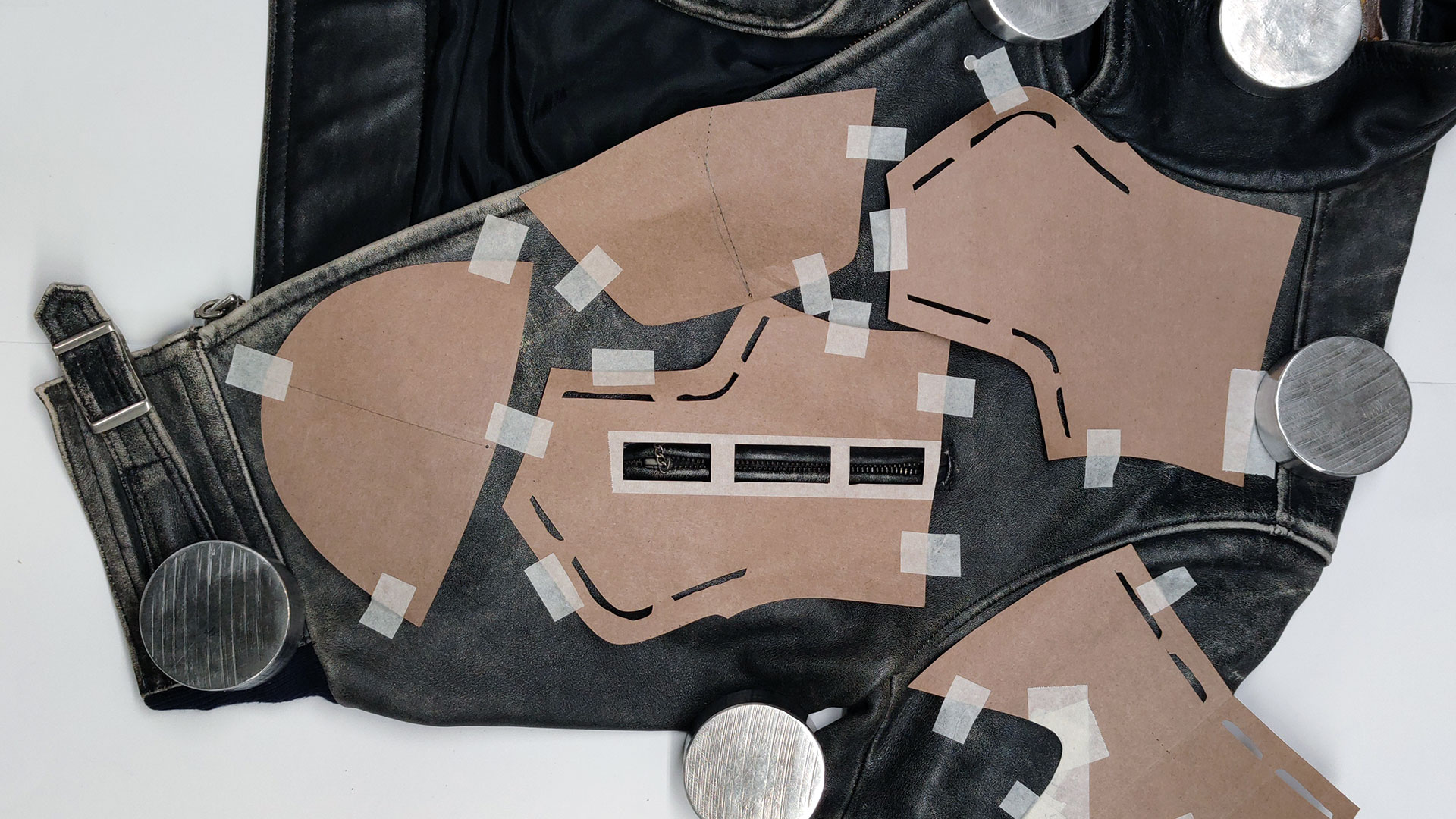
On request, we manufacture uppers from used leather items such as bags, jackets or leather car seats. We also use vegan materials.

Our production takes place entirely in our workshop. We do not outsource any part of our production to low-wage countries. Furthermore, we do not use prefabricated components: each individual part is carefully handcrafted for each order.

Climate-neutral processes

We are one of the first workshops to work exclusively with renewable energy and promote the expansion of climate-neutral energy sources. Thanks to craftsmanship and energy-efficient, insulated rooms in our workshop that do not require air conditioning, we keep our energy consumption to a minimum. We offset the unavoidable remaining CO₂ emissions through Gold Standard-certified projects in cooperation with the organisation “Klima ohne Grenzen” (Climate Without Borders).

We ship climate-neutrally with “UPS Carbon Neutral” or “DHL Go Green”.

We print on recycled paper, package our uppers in reusable cotton drawstring bags and use recycled paper cardboard boxes and 100% recycled plastic adhesive tape for shipping.

Our digital communication is also climate-friendly: the servers for our website and email are powered by renewable electricity.


Commitment

Since 1990, we have been involved in humanitarian aid projects, supporting children and young people, and protecting the environment and animals. If you would also like to get involved, we recommend the following four organisations. We are convinced of their integrity, efficiency, and the importance of their work.

  • Elmeere

    The association Elmeere e.V. runs a unique conservation and renaturation project on the North Sea island of Föhr. Donations received are used exclusively to purchase land formerly used for agriculture and to renature it. In this way, former breeding grounds that had been destroyed by agriculture are returned to nature. Elmeere e.V. works on a purely voluntary basis and is recognised as a non-profit organisation.

    Zur Organisation

  • Hammer Forum

    The Hammer Forum has been successfully campaigning for many years to provide medical care for children from war zones and crisis areas. The association helps people to help themselves by establishing and expanding local hospitals and inpatient facilities. Qualified medical teams fly to the crisis areas and provide treatment on site. Every year, more than 1,400 children who would otherwise have had no access to specialist medical treatment undergo surgery.

    Zur Organisation

  • Rettet den Regenwald e.V.

    Rettet den Regenwald e.V. (Save the Rainforest) is actively committed to preserving rainforests, their inhabitants, and social reforms in the affected regions. Since 1986, this non-profit organization has been disrupting the circles of timber and cattle barons, oil and mining companies, Western banks, and corrupt politicians. We support the purchase of land to protect it and other projects.

    Zur Organisation

  • OroVerde

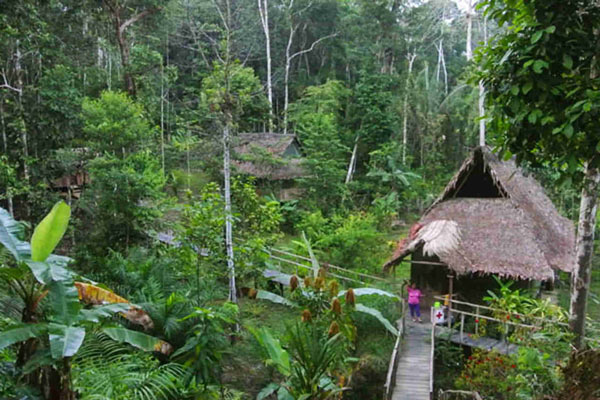
    “OroVerde” The tropical forest foundation OroVerde (= Spanish for “green gold”) is committed to preserving tropical rainforests. Rainforest conservation and development cooperation go hand in hand, because only with the help of local people can rainforest conservation projects be successful in the long term and rainforests be protected. Within the scope of our possibilities, we support OroVerde in preserving one of the last mountain cloud forests on the Paria Peninsula in Venezuela.
    Zur Organisation

Continue reading

Upper Maker

“Those who do not know the past cannot understand the present or shape the future.”

Dr. phil. Helmut Josef Michael Kohl
Uppermaking is probably one of the least known professions. “Dad and Mum make half shoes,” was our children’s answer when asked about their parents’ profession, because no one knew what an uppermaker was.

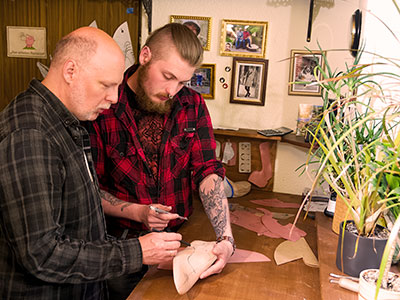
The upper part of a shoe, which makes up about 90% of what is visible at first glance, is called the upper. In fact, you could say that a shoemaker tailors clothes for the feet. Like a tailor, he creates patterns based on the measurements of the feet, cuts leather and fabric, and sews them together into a three-dimensional structure.

They have to be extremely precise. Unlike with fabrics, there are no second chances with leather. Once sewn, the sewing needle leaves holes in the expensive leather.

The difference in size between two shoe sizes is only 6.67 mm. A single upper consists of many elements, and if just four small errors with an inaccuracy of only about 1 mm creep in during the draughting, cutting or assembly of the many parts, the upper will end up being too small or too large. In addition, different leathers have very different properties – some are softer, some are firmer.

A uppermaker must take all of this into account so that the future wearers of the shoes can enjoy their handmade shoes for a long time to come.

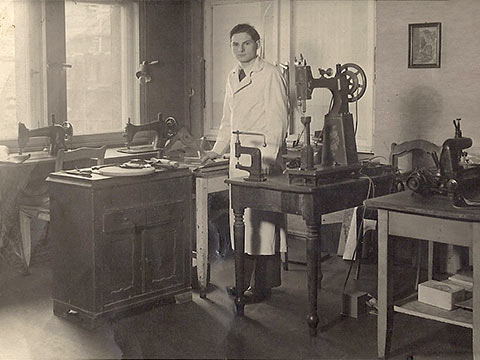
Uppers (the top part of shoes) were sewn entirely by hand until around 1860. The introduction of the sewing machine in the second half of the 19th century quickly led to the industrial production of shoes in workshops and factories. Factory-made shoes had the advantage of being immediately available and customers could choose from a wide range of materials.

In order to compete with the shoe factories, shoemakers now had to work faster and purchase more and different types of leather and fabric. However, aquiring and maintaining a large selection of materials is very expensive for a small shoemaker, and the new sewing machines were previously unaffordable for many. This led to the establishment of upper factories that specialised in the manufacture of shoe uppers.

The two world wars in the 20th century, with approximately two million state-recognised war invalids on the German side alone, many of whom had injuries to their feet and legs, marked the birth of today’s orthopaedic shoe technology. Orthopaedic shoemakers were in high demand and the demand for uppers for orthopaedic footwear increased enormously. Although this led to the establishment of many new uppermaking businesses, unfortunately it did not result in uppermakers being given their own job description. Uppermakers repeatedly demanded the right to train others, but to no avail. Nevertheless, uppermakers only succeeded in obtaining their own job description (upper part repairer) in the former GDR and Austria. This made it almost impossible to train qualified young people in Germany.

At the end of the 1980s and beginning of the 1990s, the introduction of semi-industrial “ready-made uppers” led to the closure of many uppermaking workshops. In some cases, turnover fell by 70%. The BSE crisis led to an increase in the price of leather, while at the same time health insurance companies increased pressure on prices. Shoemakers were caught between a rock and a hard place. In 2015, only about 10% of shoe making workshops remained compared to 1980. Some of the surviving workshops invested in expensive digital technology in order to produce more efficiently and cost-effectively. Others relocated production to low-wage countries. Both approaches can have a negative impact on quality, but in the long term they lead to a loss of craftsmanship.

Today, outsourcing the entire production of orthopaedic shoes (upper and sole construction) to low-wage countries is the greatest threat to uppermaking workshops.  This is because for every pair that is manufactured far away from Germany (or other west European country’s), there is no longer any need for an upper from domestic production. There is a danger that this will lead to the permanent loss of the last remaining supply structures of local uppermakers, leather merchants, tool manufacturers, etc.

At our suggestion, with a great deal of commitment and support from the Central Association of German Shoemakers (ZDS), the amendment of the shoemaker’s job description, with the resolution of the Conference of Ministers of Education and Cultural Affairs on 23 February 2018, succeeded in establishing upper construction as a training occupation in Germany for the first time.

The new job description is: “Custom shoemaker specialising in upper construction”.

Impressions

Continue reading

History

„Tradition is not about preserving the ashes, but passing on the flame. “

Thomas Morus
Our family is one of the oldest families of shoemakers.
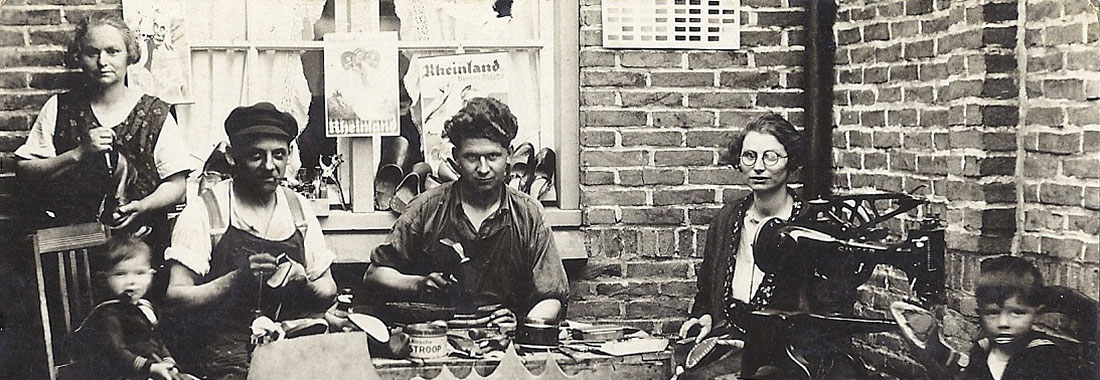
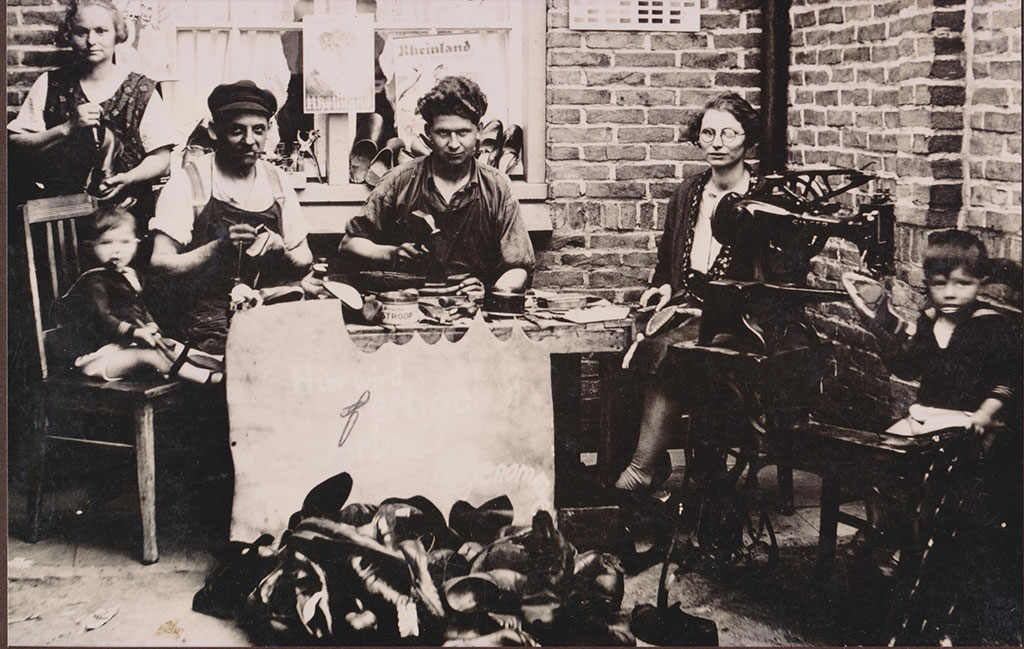
Our great-grandfather, Hugo Seidich, learned the craft in 1909 and was already making bespoke shoes and uppers before the First World War.
  • 1928

    Heerlen

    Master shoemaker Hugo Seidich learned his trade at the beginning of the 20th century. In 1927, the family left the Ruhr region and moved to the Netherlands, to the small town Waubach near the Dutch city of Heerlen. In 1928, Hugo Seidich opened his own Workshop near the main railway station in Heerlen. Hugo Michael Seidich was born in the same year and helped out in his father’s workshop from an early age. The Second World War forced the family to give up the workshop and leave the Netherlands. After the war, Hugo Seidich returned to the Ruhr region and opened a workshop in the town Gelsenkirchen.
  • 1948

    Erfurt

    After the war, his son Hugo Michael Seidich trained as a shoemaker at the Thiele shoe factory in Erfurt, where he received intensive training in upper construction. At the age of 21, he opened his own upper making workshop on Milchinselstrasse in Erfurt in 1948. Due to the division of Germany, he also returned to the Ruhr area and helped his father in the workshop again. However, in order to make ends meet financially, he also worked as a miner at the Consolidation colliery in Gelsenkirchen. There he noticed the very poor quality of the work boots, for which there were no regulations at that time as there are today. He recognised an opportunity to apply his knowledge as a shoemaker and uppermaker. He developed a concept for the industrial manufacture of safety shoes, specifically for mining and the steel industry. Boots that effectively protected the wearer and made it easier to walk on sloping and ascending underground routes.
  • 1952

    Wanne-Eickel

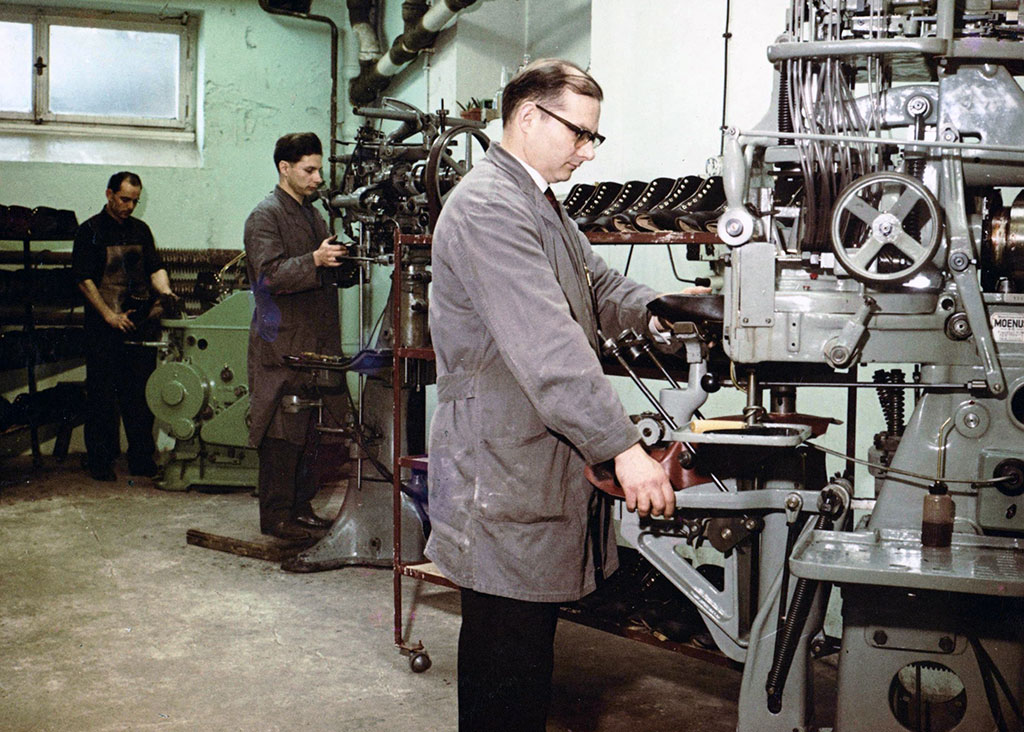
    While Hugo Seidich Senior continued to manufacture high-quality uppers in Gelsenkirchen, his son, with the support of Mannesmannröhren-Werke AG (the then owner of the Gelsenkirchen Consolidation Colliery), opened the “Glückauf Schuhfabrik” shoe factory in Wanne-Eickel in 1952. Around one million pairs of safety shoes for the mining and steel industries were produced until June 1974. Then the decline of the coal industry forced the Glückauf shoe factory to close.
  • 1987 – heute

    Herne

    A few years later, Hugo Michael Seidich and his son Hartmut began setting up a new upper making workshop at its current location. The Herne city council supported the establishment of the workshop in a municipal property, enabling Hartmut Seidich to continue the family tradition.

    He learned the craft of shoemaking from his father, completed an apprenticeship as an orthopaedic shoemaker and, after passing his master shoemaker’s examination, opened the current workshop on 26 October 1987 – just 1,500 metres from the site of the former “Glückauf Schuhfabrik” shoe factory.

    Hugo Michael Seidich remained active at his son’s side for many years and was also able to teach his grandson Dustin a great deal. On 27 April 2012, after a very fulfilling life, Hugo Michael Seidich passed away at the age of 83. He was delighted to see that the fourth generation would continue the business. Both Dustin Seidich and brother-in-law Jan Droste learned the craft. Both are now journeymen shoemakers and skilled uppermakers.

    He was proud that, despite the many setbacks, the family still manufactures uppers. Whether for former miners who sacrificed their health in the mines of the Ruhr region or for quality-conscious shoe lovers at home and abroad who are fortunate enough to have perfect footwear made to measure.

    The majority of the work is for orthopaedic footwear, but uppers from Herne can also be found on the feet of members of aristocratic families, famous Hollywood stars and discerning private customers. They are also worn by children who have suffered serious injuries to their feet in war zones or who were born with severe physical disabilities in Africa and can only participate fully in life again with orthopaedic shoes.

    Our family’s work has been featured in the special exhibition “Schuhtick – von heißen Sohlen und kalten Füßen” (Shoe Mania – Hot Soles and Cold Feet) at the State Museums.

    From 2004 to 2024, Hartmut Seidich taught master orthopaedic shoemaking students as a lecturer in boot construction at the Academy of the Düsseldorf Chamber of Crafts. His wife Tanja and son Dustin supported him in this for many years.

    During this time, Hartmut and Dustin Seidich wrote textbooks on uppermaking, which are now valued in over thirty countries, and also passed on their expertise in workshops.

    In 2023, the Central Association of German Shoemakers awarded Hartmut Seidich the “Medal of Merit for Outstanding Services to the Shoemaking Trade”, the highest award the association can bestow.

    Today, the Herne workshop is one of the few where the entire manufacturing process is still carried out purely by hand, and it is in contact with fellow specialists worldwide.

Impressions

Continue reading

Seidich Schäfte

Schirrmannstrasse 21
D-44653 Herne
T +49 (0)23 25 / 56 96 56
F  +49 (0)23 25 / 56 96 57
service@seidich.de

We support